
Teacher-Scholar Legacies: Steve Folmar
By Sherri Lawson Clark, Associate Professor of Anthropology
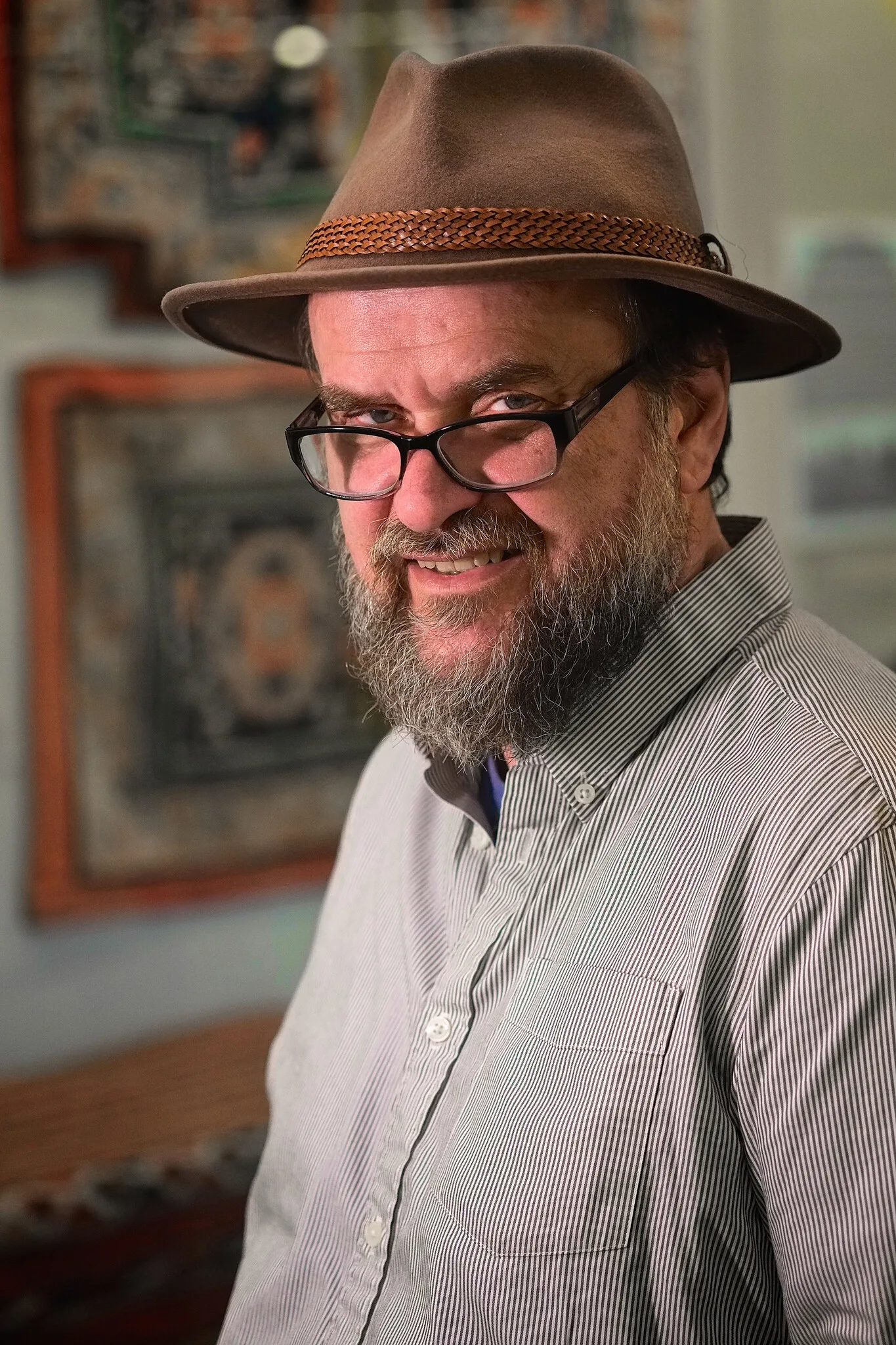
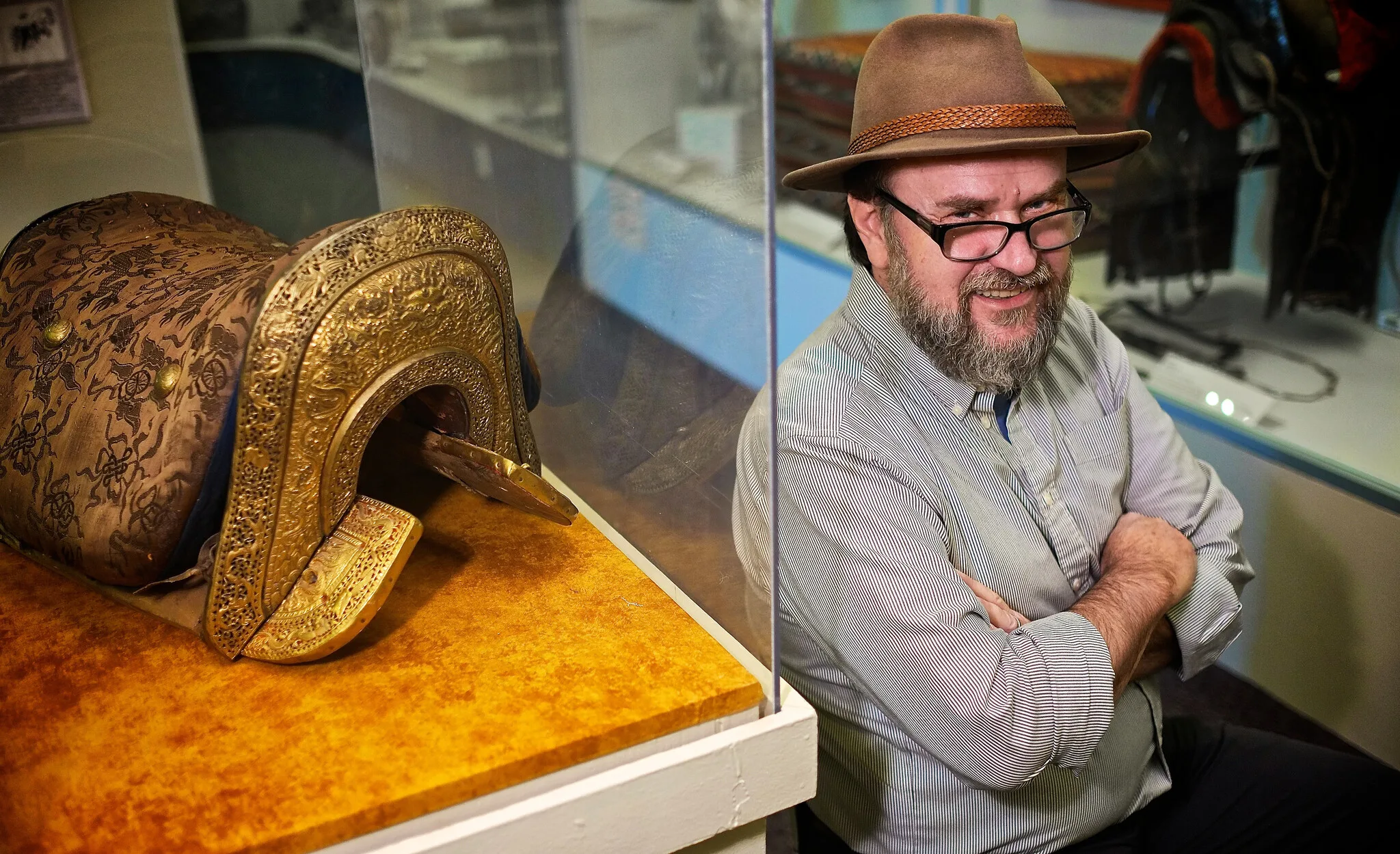
As Steve Folmar transitions to Emeritus status, the Department of Anthropology reflects on a career defined not just by academic excellence, but by a radical commitment to service. To know Steve is to know a scholar who views the world not as a laboratory, but as a community of interconnected lives.
While Steve’s CV is decorated with NSF-funded research and leadership roles, his colleagues often point to his character during moments of quiet necessity as his true hallmark. A particularly meaningful memory shared within the department involves a period when a fellow faculty member had to take an unexpected medical leave. Without a moment’s hesitation or a request for recognition, Steve stepped in to cover the Global Health course.
He didn’t just fill a seat; he ensured that the students’ momentum remained unbroken. This “no-questions-asked” reliability is the bedrock of Steve’s presence. As one colleague noted, “Steve warmly welcomed me to the department in 2022 and has been a constant source of inspiration through his commitment to mentorship and his witty, piercing critique of the bureaucracies that often stand in the way of justice.”
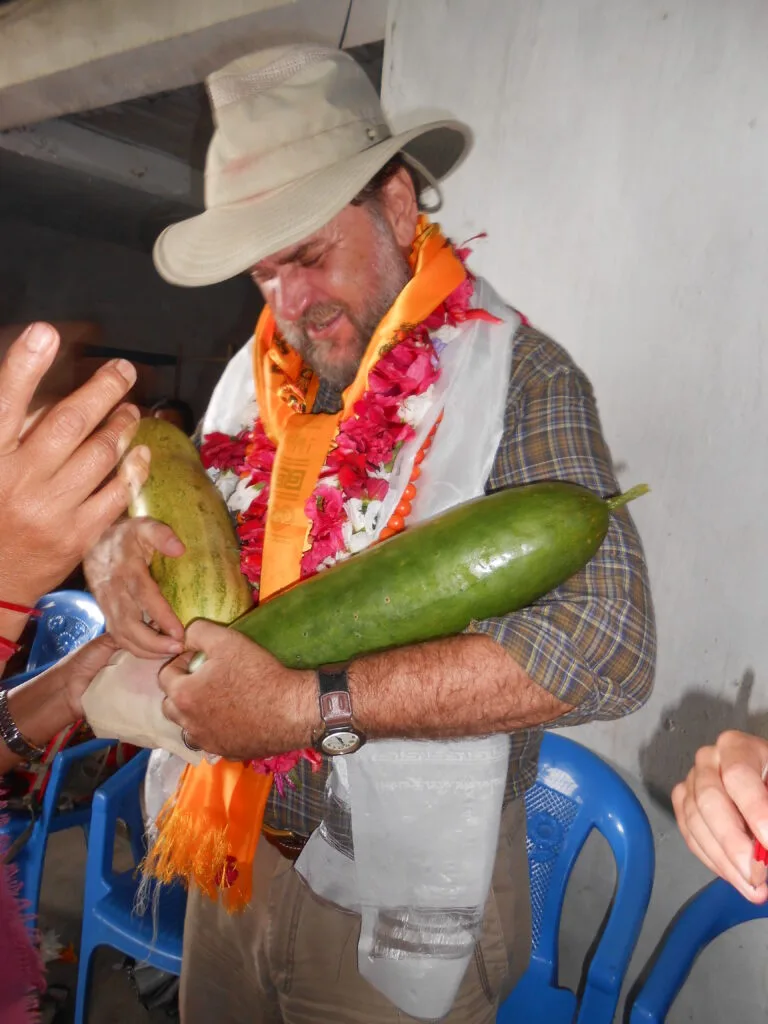
Steve’s influence has been a North Star for the department’s focus on applied and engaged anthropology. He has consistently challenged us to look beyond the “ivory tower” and consider the real-world implications of our work. By founding the Folmar Foundation and raising direct aid for Nepali communities following the 2015 earthquakes, Steve modeled a version of anthropology that is active rather than passive.
His advocacy for the Dalit communities in Nepal — and his work with the International Commission for Dalit Rights —has brought a global perspective to our halls. Yet, he never ignored the local, even running for the WSFCS school board to apply his principles of equity to the Winston-Salem community.
He has taught us that an anthropologist’s field site is wherever there is a need for advocacy and a voice for justice.

Perhaps Steve’s most enduring impact is his pedagogical approach. He possesses a rare gift for making undergraduates feel like genuine collaborators rather than mere observers. In his Ethnographic Research Methods course, he frequently brought students into the fold of his own primary research. Rather than learning from a textbook alone, students walked through the complexities of coding and analysis using transcripts from his actual fieldwork on caste and mental health.
“He opened doors most undergraduates never get to walk through,” a faculty member remarked. By taking students to Nepal and co-authoring papers with them, Steve transformed the student experience into a professional apprenticeship. Those who moved through the medical anthropology and global health sequences benefited from his distinct, hands-on approach — a window into what serious, long-term fieldwork actually looks like.
Steve Folmar is, in the simplest terms, what we call a “good egg.” His generosity in sharing his knowledge so freely has left a lasting impression on our faculty and a profound, generational impact on our students. He leaves the department not just with a list of publications, but with a network of scholars who are better anthropologists because they learned from someone who spent a lifetime doing this work with real purpose.
We wish Steve the very best in this next chapter, though we reserve the right to keep calling on him whenever our students need to see what a life of “engaged anthropology” truly looks like.